

By Orevaoghene Ovedhe
El Niño, a natural climate phenomenon that influences weather patterns around the world, has drawn attention to the potential effects of changing rainfall and temperatures on agriculture, food security and infrastructure.
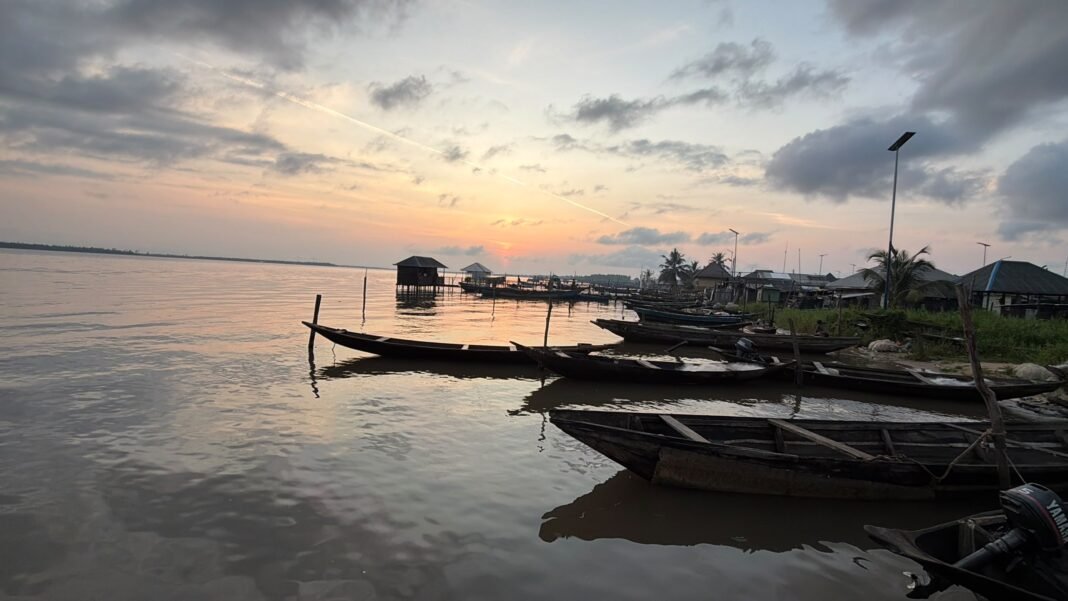
For the Niger Delta, where communities depend on farming, fishing and riverine transportation, understanding changing weather patterns is important for preparing for potential risks.
Understanding El Niño
El Niño occurs when sea-surface temperatures become unusually warm in the central and eastern tropical Pacific Ocean. This affects atmospheric circulation and can alter rainfall and temperature patterns in different parts of the world.
Its effects vary by location. Some regions experience drought and heat, while others may experience increased rainfall. However, not every flood, dry spell or episode of extreme heat is caused by El Niño.
What NiMet Says About El Niño
In an update published on August 13, 2026, the Nigerian Meteorological Agency (NiMet) confirmed the onset of a strong El Niño event in 2026, stating that the phenomenon was continuing to intensify and was expected to dominate global climate patterns during the August to October 2026 season.
The update provides context for understanding global climate developments during the period. However, the influence of El Niño varies across regions, and its role in specific weather events must be established through appropriate meteorological evidence.
Zimbabwe Highlights El Niño’s Potential Food-Security Risks
The potential impact of El Niño on agriculture and food security is highlighted in a report by Al Jazeera English, October 18, 2026, which warned that more than six million people in Zimbabwe could be at risk of hunger as concerns grow over the country’s upcoming planting season.
In the report, Al Jazeera correspondent Nicolas Haque examined the dilemma facing farmers who have been advised not to plant immediately after the first rains. With only one main growing season, waiting for more reliable rainfall carries its own risks, particularly as drought fears grow.
The concern is linked to El Niño’s influence on rainfall patterns across Southern Africa. Forecasts for Zimbabwe’s 2026–2027 rainy season indicate the likelihood of an erratic start and below-average rainfall, conditions that could leave newly planted crops vulnerable to prolonged dry spells. If farmers plant after the first rains and rainfall subsequently stops, crops may fail to establish properly. However, delaying planting could shorten the time available for crops to mature before the season ends.
These competing risks illustrate how El Niño-related rainfall uncertainty can complicate agricultural decisions and threaten food production. When harvests are reduced, households that depend on farming may face food shortages and declining agricultural income, potentially worsening existing food insecurity.
Although Zimbabwe’s situation highlights the potential consequences of El Niño for agriculture and food security, its experience cannot automatically be applied to Nigeria. The effects of the phenomenon vary by region, making local weather forecasts and agricultural assessments essential for determining the risks facing the Niger Delta.
Heavy Rainfall and Flooding: A Local Perspective
During an interview in Agbarho, Delta State, Hon. Stella Erhuvwuoghene Okotete, OON, Executive Director of Business Development at the Nigerian Export-Import Bank (NEXIM), attributed the widespread heavy rainfall and flooding experienced in different parts of the world to the El Niño phenomenon.
The interview was conducted in connection with a damaged bridge in Agbarho. During the conversation, Okotete also discussed what she described as a noticeable difference between the rainfall patterns she remembered from childhood and what people experience today.
Reflecting on her childhood, she recalled that filling a bucket with rainwater used to take hours. In contrast, she said, the same bucket could now fill up and overflow in less than five minutes because of the intensity of the rainfall.
Okotete also referred to reports of flooding in different parts of the world, including Thailand, Spain, Italy and the United States, to illustrate what she considered the widespread nature of the situation.
Her observations offer a personal perspective on the experience of intense rainfall and flooding. While El Niño can influence weather patterns around the world, its effects vary by region. Okotete’s attribution of widespread flooding to the phenomenon represents her explanation of the events she discussed; establishing the causes of individual flooding incidents requires meteorological evidence.
What Changing Weather Could Mean for the Niger Delta
Changes in rainfall patterns can have implications for agriculture and infrastructure across the Niger Delta.
Farmers who depend on rain-fed agriculture may be affected by variations in the timing, duration and intensity of rainfall. Prolonged dry conditions can affect crop growth, while excessive rainfall can contribute to waterlogging, soil erosion and damage to farmland.
Heavy rainfall can also put pressure on roads, bridges and drainage systems, particularly where infrastructure is vulnerable or water cannot drain effectively. Flooding may disrupt transportation, restrict access to markets and affect the movement of agricultural produce.
If adverse weather conditions reduce harvests or disrupt the transportation of food, they may contribute to higher prices. However, food prices in Nigeria are also influenced by factors such as insecurity, transportation costs, fuel prices, agricultural inputs and market conditions.
Zimbabwe’s food-security concerns highlight why rainfall patterns matter beyond the immediate effects of weather. For the Niger Delta, however, assessing possible consequences for food production and prices requires evidence from local weather forecasts, agricultural assessments and market data.
These potential effects do not mean that El Niño will necessarily cause such problems in the Niger Delta. Understanding the region’s actual exposure requires reliable local weather information and evidence of how changing conditions affect communities.
Preparing for Weather Risks
Access to reliable weather forecasts can help farmers and communities make informed decisions. Maintaining drainage systems, avoiding indiscriminate waste disposal and monitoring vulnerable infrastructure can also help reduce some risks associated with heavy rainfall.
For the Niger Delta, understanding the relationship between global climate phenomena and local weather conditions is important for planning and preparedness. NiMet’s climate updates provide broader meteorological context, while local investigations and expert assessments can help establish the causes and consequences of specific weather events.
El Niño may influence weather patterns around the world, but its effects are not uniform. From food-security concerns in Zimbabwe to the local experiences of intense rainfall in Delta State, understanding the potential consequences requires attention to regional differences and reliable evidence. Combining scientific information with local observations is essential to understanding changing weather conditions and their potential implications for the Niger Delta.